Surge protection devices
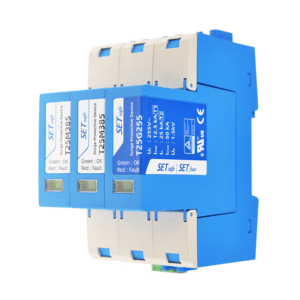
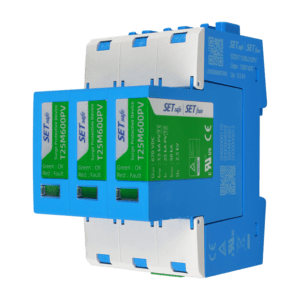
Combination surge arresters, which combine the functions of both a Type 1 and a Type 2 surge arrester, provide comprehensive protection against surges in a single device. These combination surge arresters are often referred to as Type 1+2 or Type 1+2+3 and provide both coarse protection and intermediate protection. Here are the main features and functions of a Type 1+2 combination surge arrester:
Combined Protection: A Type 1+2 combination surge arrester provides protection against high surges caused by direct or nearby lightning strikes (Type 1 function), as well as against moderate surges caused by switching operations or indirect lightning strikes (Type 2 function).
Installation location: These surge arresters are typically installed in the main distribution panel or in a sub-distribution panel. Because they combine the functions of both types, they are particularly well-suited for applications where space or budget is limited for separate Type 1 and Type 2 surge arresters.
Energy Absorption: Type 1+2 combination arresters can absorb and dissipate both the high energy levels of a direct lightning strike and the moderate energy levels of switching surges.
Lightning Current Dissipation: They are capable of dissipating high lightning currents like a Type 1 arrester, making them particularly suitable for use in areas prone to lightning strikes.
Response time: Combined arresters have a fast response time, allowing them to efficiently dissipate both the energy from lightning strikes and the energy from switching surges.
Space savings: By combining Type 1 and Type 2 functions in a single device, combination arresters save space in the distribution system and simplify installation.
Standards and Certifications: Type 1+2 combination surge arresters must comply with specific standards and certifications, such as IEC/EN 61643-11, to ensure that they meet the required protection standards.
Benefits of Use:
Cost-effectiveness: Combination surge arresters are often more cost-effective than purchasing and installing Type 1 and Type 2 surge arresters separately.
Easier installation: Less space required and less installation work, since only one unit needs to be installed.
Enhanced Protection: Provides comprehensive protection in a single device, which is particularly important in environments with a high risk of lightning strikes and power surges.
Conclusion:
A Type 1+2 combination arrester offers a practical and efficient solution for comprehensive surge protection in electrical systems. It protects against both the high energy levels of a direct lightning strike and the moderate surges caused by switching operations or indirect lightning strikes, making it particularly suitable for use in residential and commercial buildings.